






Understanding Equity Liabilities: Complete Guide to Short-Term Loans & Taxes Payable
Posted Date: Mar 5th, 2026 at 07:00 AM
Location: New York, NY 10004, USA
Price: $0.00
A strong understanding of Equity Liabilities begins with the basic accounting equation:
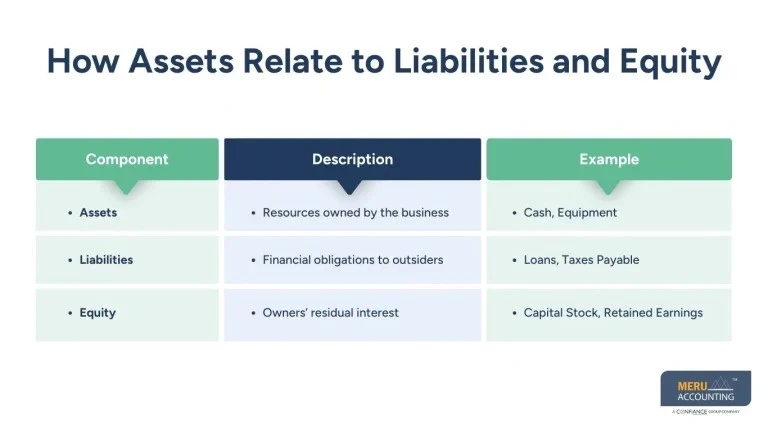
Assets = Liabilities + Equity
This formula explains how a company’s resources are funded—either through debt (liabilities) or ownership (equity). To manage finances effectively, businesses must understand how liabilities like short-term loans and taxes payable affect overall equity and financial stability.
What Are Equity Liabilities?
“Equity Liabilities” is not a formal accounting term. It refers to the relationship between:
- Equity – The owner’s share in the business (capital and retained earnings)
- Liabilities – Debts or obligations owed to outside parties
Liabilities must be paid before owners can claim remaining value. The balance between these two determines a company’s financial strength.
Short-Term Loans: A Key Liability
Short-term loans are debts due within one year. Businesses often use them to manage daily expenses or temporary cash shortages.
Key Features:
- Repayment within 12 months
- Used for working capital or urgent needs
- Often carry higher interest rates
- Examples include bank overdrafts and credit lines
Accounting Treatment:
- Recorded under current liabilities on the balance sheet
- Interest is recorded as an expense
- Reduced as repayments are made
If not managed carefully, short-term loans can strain cash flow and increase financial risk.
Taxes Payable: An Important Current Liability
Taxes payable represent amounts owed to government authorities but not yet paid.
Common Types:
- Income taxes
- Sales taxes
- Payroll taxes
- Property taxes
How They Are Recorded:
- Recognized as a liability when incurred
- Tax expense recorded in the same period as income earned
- Reduced once payment is made
Late or inaccurate tax reporting can lead to penalties and reduced profits.
How Equity Liabilities Affect Each Other
Liabilities directly impact equity. Here’s how:
- When taxes increase, net income decreases.
- Lower net income reduces retained earnings.
- Reduced retained earnings lower total equity.
Similarly, taking on more short-term loans increases liabilities. While loans may help grow assets, they also increase financial obligations, which can weaken the equity position if not managed properly.
Maintaining the right balance between debt and equity is essential for long-term stability.
The Role of Assets in the Equation
Assets are resources owned by the business, such as:
- Cash
- Equipment
- Inventory
- Property
Assets are funded by either liabilities or equity. The accounting equation must always stay balanced. If liabilities rise without a matching increase in assets or profits, equity may shrink.
Managing Short-Term Loans and Taxes Payable
To maintain healthy Equity Liabilities, businesses should:
For Short-Term Loans:
- Monitor cash flow regularly
- Avoid over-borrowing
- Negotiate better interest terms
- Align repayments with income cycles
For Taxes Payable:
- File and pay taxes on time
- Maintain accurate financial records
- Review tax estimates regularly
- Plan ahead to reduce unexpected tax burdens
Good planning protects both liquidity and equity.
Why Equity Matters
Equity reflects the company’s net value after debts are settled. Strong equity:
- Supports business growth
- Reduces reliance on borrowing
- Improves investor confidence
- Strengthens creditworthiness
Key components of equity include:
- Owner’s capital or common stock
- Additional paid-in capital
- Retained earnings
- Treasury stock (if applicable)
A healthy equity base provides stability during financial challenges.
Final Thoughts
Understanding Equity Liabilities helps businesses maintain financial balance. Short-term loans and taxes payable are important liabilities that must be carefully tracked and managed.
Meru Accounting helps companies maintain accurate records, optimize tax liabilities, and manage liabilities such as short-term loans effectively. Their tailored approach empowers businesses to build strong equity positions and sustain long-term financial health.
