


 All Regions
 Australia
 Bermuda
 Brazil
 Canada
 France
 Italy
Italy
 Mexico
 United Kingdom
 United States

Tax Preparation Rental Property Guide for Investors (Simplified)
Posted Date: Mar 31st, 2026 at 01:48 PM
Location: New York, NY 10004, USA
Price: $0.00
Handling tax preparation rental property tasks is a key part of being a real estate investor. Taxes directly impact your profit, and small mistakes can lead to extra costs or penalties. Understanding the basics helps you stay organized and file with confidence.
What You Need to Know
- Rental income must be reported correctly.
- Expenses and deductions can lower your tax burden.
- Good recordkeeping makes filing easier.
- Planning helps reduce overall taxes.
Why Tax Preparation Rental Property Matters
Tax preparation rental property means keeping track of all income and expenses related to your property. This helps you:
- Avoid overpaying taxes
- Stay compliant with tax rules
- Make better financial decisions
Poor preparation can lead to errors, penalties, or audits.
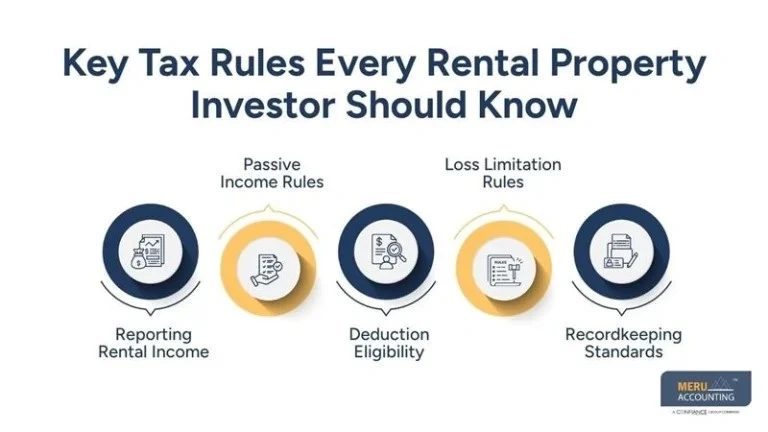
Key Rules to Remember
- Report all income (rent, deposits, extra charges)
- Know passive income rules (they affect loss claims)
- Claim only valid expenses
- Understand loss limits
- Keep clear records
What Counts as Rental Income
- Monthly rent
- Advance payments
- Service fees (parking, maintenance, etc.)
Your taxable income is what remains after subtracting allowed expenses.
Important Documents
- Rent records
- Expense receipts
- Loan and interest statements
- Property tax bills
- Depreciation records
Common Deductions
- Repairs and maintenance
- Mortgage interest
- Property management fees
- Insurance
- Utilities
Depreciation Basics
Depreciation spreads the cost of your property over time.
- It reduces taxable income
- It does not require actual spending
- It must be reported every year
How to Calculate Taxes
- Add total rental income
- Subtract all allowed expenses
- Apply depreciation
- Use the correct tax rate
- The result is your tax liability
Tips for New Investors
- Start with organized records
- Learn basic deduction rules
- Double-check your filings
- Get help if unsure
Common Mistakes to Avoid
- Not reporting full income
- Claiming wrong deductions
- Poor recordkeeping
- Skipping depreciation
- Filing late
Smart Tax Strategies
- Use all eligible deductions
- Plan expenses wisely
- Track everything
- Review your tax position regularly
When to Get Professional Help
- You own multiple properties
- You lack time
- Tax rules seem confusing
- You want to avoid mistakes
Key Takeaways
- Good tax preparation rental property practices save money
- Organized records make filing simple
- Deductions and depreciation reduce taxes
- Avoiding errors prevents penalties
- Expert help can improve accuracy and results
Meru Accounting has a team of highly skilled tax professionals. We understand the unique tax needs of rental property investors.
