


How to Handle Payroll and Subcontractor Payments in Construction Bookkeeping
Posted Date: Jan 23rd, 2026 at 07:02 AM
Location: Melbourne VIC 3000, Australia
Price: $0.00
Construction bookkeeping plays a critical role in keeping construction businesses financially stable and compliant. Payroll and subcontractor payments are two of the most sensitive areas, and even small mistakes can lead to delays, penalties, or legal issues. This guide explains how to manage both clearly and correctly while keeping projects on track.
Introduction to Construction Bookkeeping
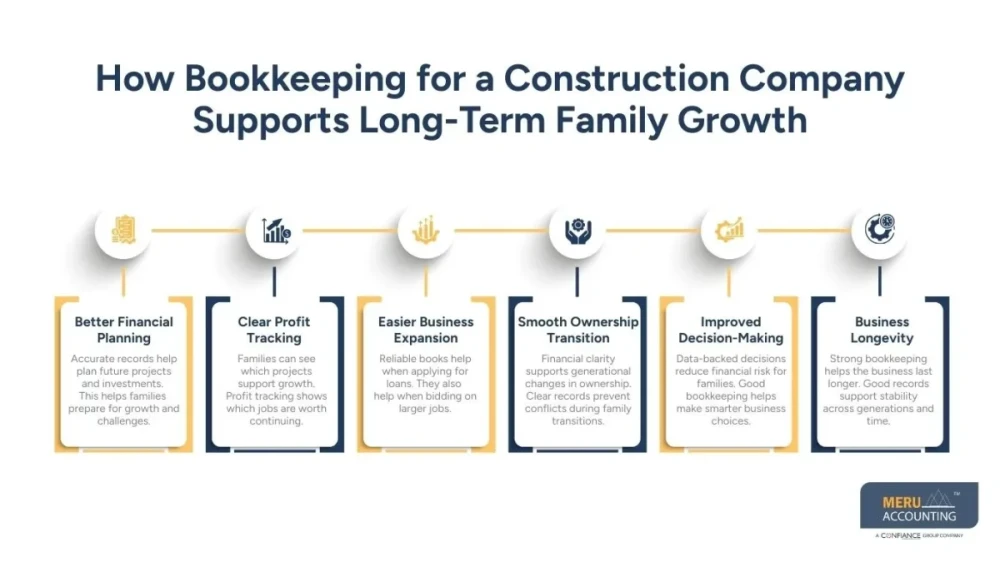
Construction bookkeeping is different from standard bookkeeping. It focuses on tracking costs by project, managing job costing, and maintaining detailed records for payroll and subcontractors. Accurate construction bookkeeping helps you see true project costs, monitor cash flow, and measure profitability.
A strong system also supports compliance, audit readiness, and insurance or bonding requirements. With organized records, construction companies can make informed decisions and keep projects within budget.
Understanding Construction Payroll Basics
What Is Construction Payroll?
Construction payroll covers payments to workers such as laborers, skilled trades, supervisors, and project managers. It is more complex because of:
Multiple job sites
Different pay rates
Overtime and double-time rules
Union agreements
Prevailing wage requirements
All of these details must be recorded accurately in construction bookkeeping systems.
Wage Classifications and Labor Laws
Different worker roles follow different pay rules. Common classifications include:
Hourly labor
Skilled trades
Supervisors and managers
Office staff
Labor laws govern minimum wages, overtime, recordkeeping, and workers’ compensation. Proper construction bookkeeping ensures these rules are followed and documented correctly.
Additional Details
| Business Type Supported | Meru Accounting |