






Accounting Liabilities List: Everything You Need to Know
Posted Date: Mar 30th, 2026 at 07:21 AM
Location: New York, NY 10004, USA
Price: $0.00
What Are Liabilities in Accounting?
An Accounting Liabilities List includes all the amounts a business owes to others. These are financial obligations that must be paid in the future, such as loans, bills, or taxes.
Liabilities appear on the balance sheet and help show the financial position of a business. Managing them properly ensures smooth operations and builds trust with lenders and investors.
Types of Liabilities
Liabilities are usually divided into two main types:
- Current Liabilities: Payments due within one year
Examples: supplier payments, short-term loans, wages, and taxes - Long-Term Liabilities: Payments due after one year
Examples: long-term loans, bonds, leases, and mortgages
This classification helps businesses plan their cash flow and meet obligations on time.
Common Accounting Liabilities List
Here are typical items included in an Accounting Liabilities List:
Current Liabilities
- Accounts payable (money owed to suppliers)
- Short-term loans
- Accrued expenses (unpaid bills like wages or utilities)
- Unearned revenue (advance payments from customers)
- Taxes payable
- Dividends payable
- Current portion of long-term debt
Long-Term Liabilities
- Long-term loans
- Bonds payable
- Lease obligations
- Deferred taxes
- Pension obligations
- Mortgage payable
- Contingent liabilities (possible future obligations)
Role in the Accounting Equation
Liabilities are part of the basic formula:
Assets = Liabilities + Equity
They represent claims by outside parties on the company’s assets. Keeping liabilities accurate ensures the balance sheet remains correct.
How Liabilities Are Recorded
When a business takes on a liability:
- Increase cash or assets
- Record the liability
When it is paid:
- Reduce the liability
- Reduce cash
Regular tracking helps avoid missed payments and errors.
Managing Liabilities Effectively
- Review outstanding payments regularly
- Keep clear records of all obligations
- Track due dates to avoid penalties
- Use accounting software for accuracy
- Share proper details in financial reports
Assets vs Liabilities
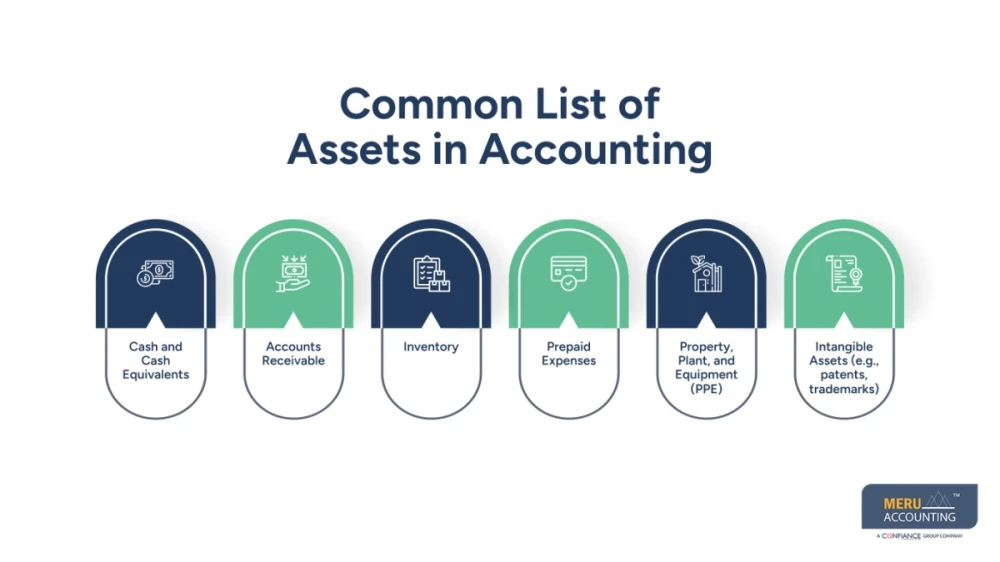
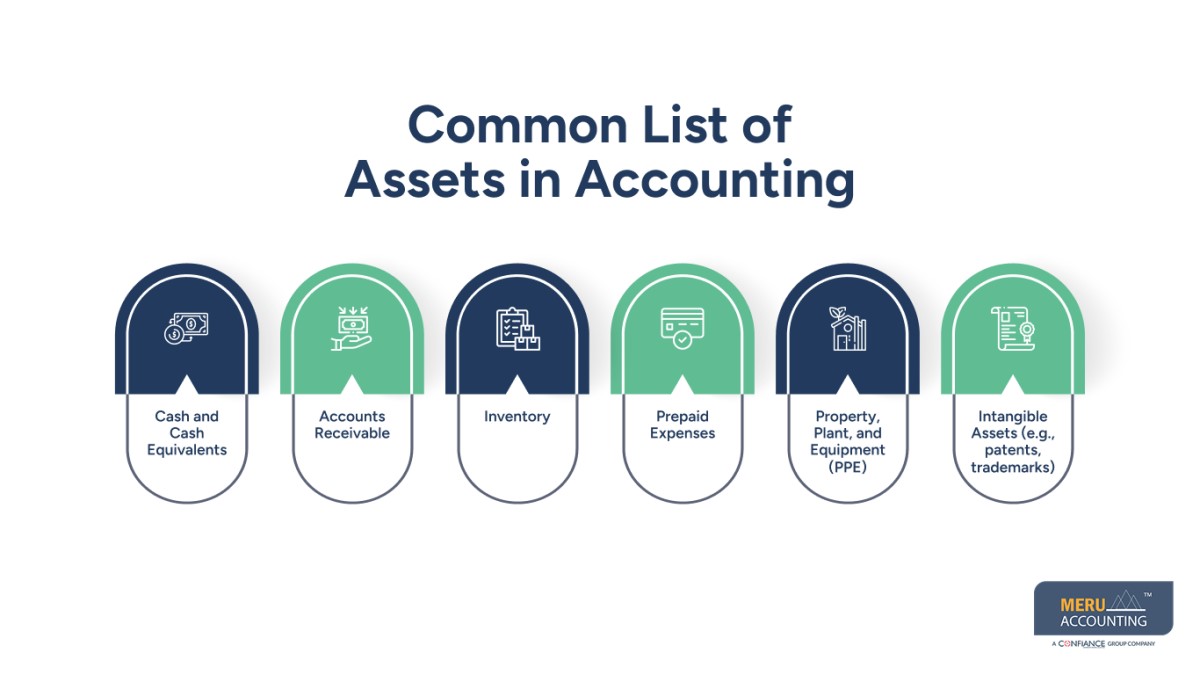
- Assets: What the business owns (cash, inventory, equipment)
- Liabilities: What the business owes (loans, bills, taxes)
Both are important for understanding overall financial health.
Common Challenges
- Estimating future obligations
- Classifying short-term vs long-term debts
- Tracking interest on loans
- Meeting reporting requirements
Final Thought
An accurate Accounting Liabilities List helps businesses stay organized, meet financial commitments, and make better decisions. By tracking liabilities carefully, companies can maintain stability and support long-term growth.
For businesses seeking professional accounting services to manage their liabilities efficiently, firms like Meru Accounting offer expert assistance in bookkeeping, financial analysis, and compliance, helping companies maintain accurate records and optimize their financial health.
Additional Details
| Financial Service Type | Accounting – Bookkeeping |